Conservation
For centuries, the ocean has seemed limitless. An endless, mysterious world stretching far beyond the horizon. Yet research over the past 20 years has shown just how fragile it truly is, and how human actions are impacting its health.
Explore the challenges facing our oceans and discover how small, everyday choices can make a meaningful difference. From reducing waste to making more sustainable habits part of your routine, everyone can become an ocean guardian.
Pollution
What we see on the ocean’s surface often hides a deeper problem below. In Los Angeles, rainwater carries trash and chemicals from streets and sidewalks into storm drains that flow directly to the ocean. This constant stream of pollution harms marine ecosystems, sickening and killing wildlife. Birds often mistake small plastic pieces for food, sea turtles confuse plastic bags for sea jellies, and many marine animals are impacted by harmful chemicals in the water.
Watersheds: It all Flows to Sea
Everything is connected. What we do at home and in our neighborhoods can have a direct impact on the ocean. Trash and chemicals washed into streets eventually make their way to the sea through storm drains.
Make a difference from home!
An estimated 80% of ocean pollution comes from land-based sources, including streets, sidewalks, and parks near our homes. By taking simple actions, we can help stop pollution at the source and protect marine life.
Join community efforts like the California Coastal Commission’s Saturday cleanups each September from 9am - 12pm, and help beautify local neighborhoods with friends, family, and neighbors while protecting our shared coastline.
Coastal Cleanup Resources:
- California Coastal Commission
- Heal the Bay
Use the Clean Swell or the Marine Debris Tracker Apps to record your cleanup efforts, share with your friends, and provide data for researchers!
Overfishing
There are not enough fish in the sea to keep up with demand. Even with California’s fishing regulations, many marine species along our coast are still impacted by decades of overfishing. This challenge is even greater worldwide, where some regions have limited regulations or allow destructive fishing practices.
When fish are removed faster than they can reproduce, populations decline and ecosystems are disrupted. By becoming an informed, responsible consumer, you can help support sustainable fisheries and protect ocean life for future generations.
Seafood Watch
The choices we make drive the seafood markets. You can make a difference by speaking up and supporting those fisheries and fish farms that are better for the environment. Just by asking the question, “Do you sell sustainable seafood” lets businesses know that you support purchasing sustainable seafood and encourages them to provide it as an option. Cabrillo Marine Aquarium is a partner of the Monterey Bay Aquarium’s Seafood Watch program. To learn more about what you can do to help protect the ocean, visit Seafood Watch to learn more.
Habitat Loss
Coastal development has dramatically reduced the natural habitats that marine life depends on. In Southern California, thousands of acres of wetlands have been lost, putting many species at risk. Before the 1900s, the region contained roughly 50,000 acres of wetlands; today, fewer than 11,000 acres remain, and continued development threatens what is left.
Research shows that protecting entire coastal ecosystems is one of the most effective ways to support healthy marine populations. In response, California established a network of Marine Protected Areas (MPAs)—underwater parks that stretch along the Southern California coast from Point Conception near Santa Barbara to the Mexico border. These protected areas help conserve marine biodiversity and preserve critical habitat for future generations.
Southern California’s MPAs went into effect on January 1, 2012. Learn more about these underwater parks through educational resources, including a short video produced by the Southern California Aquarium Collaborative.
Have you visited a MPA? Here is a video from the Ocean Conservancy illustrating ways we all can enjoy MPAs.
The California Marine Sanctuary Foundation put together a website packed with MPA resources.
- Download printed publications on MPAs including brochures, fact sheets, maps and posters.
- Enjoy a variety of MPA multimedia including videos, 3-D animations and presentations.
- Review teaching and training materials focused on MPAs targeting different audiences.
- Peruse the entire website to find the best MPA resources to meet your needs.
Climate Change
The ocean and atmosphere work together creating the world’s climate. When people burn coal and other fossil fuels for energy, excess carbon dioxide (CO2) is emitted into the atmosphere. Higher amounts of CO2 cause more heat to be absorbed and trapped in the atmosphere, increasing the average global temperature. A lot of this extra heat and CO2 is being absorbed by the oceans, leading to ocean temperature and chemistry changes. These changes affect ocean habitats and marine life, from the tiniest plankton to the biggest whales.
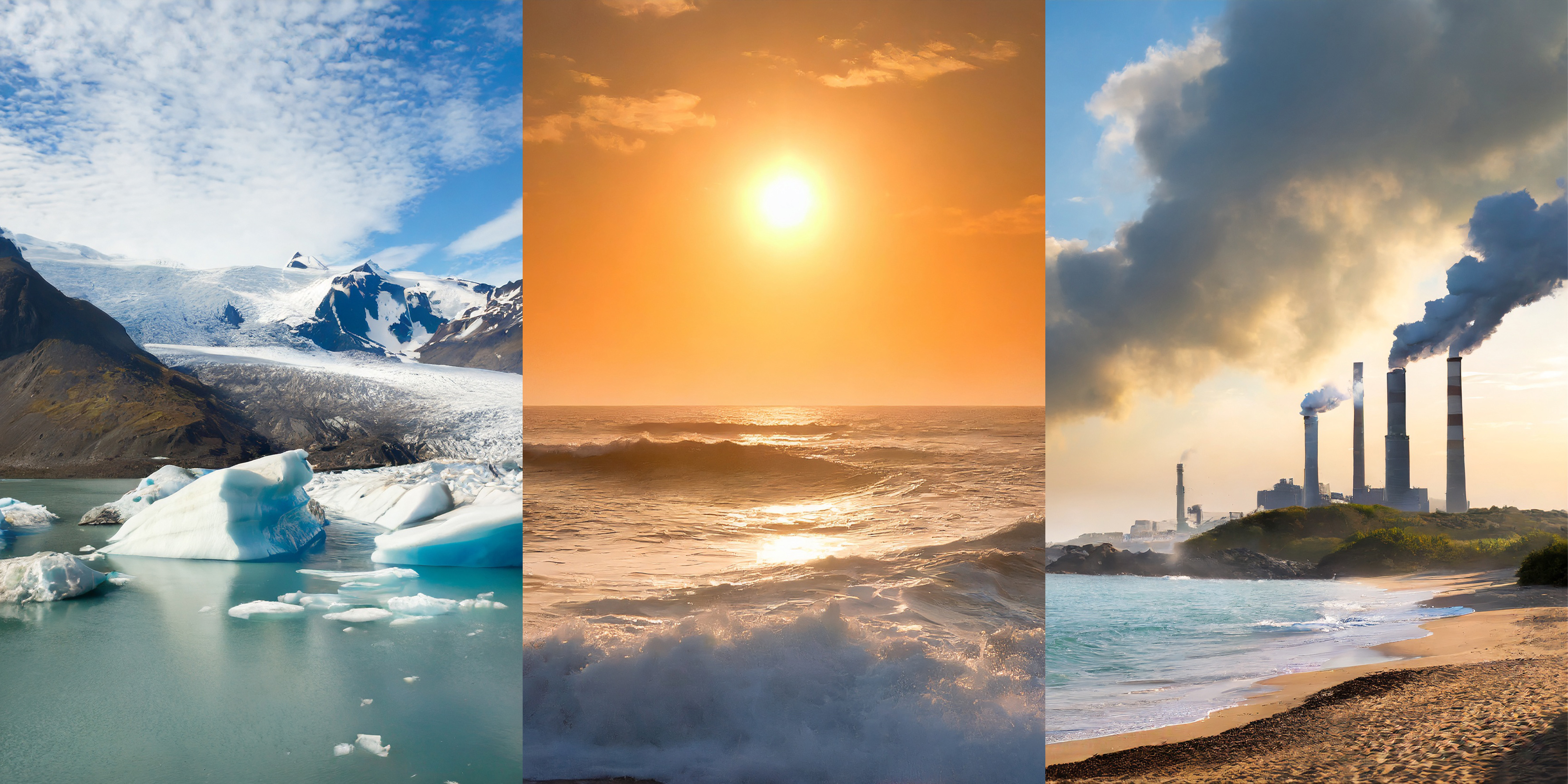
Do you know your footprint? Do you know your ecological footprint? Ecological footprints is a quick measure of how many "Earths" it takes to support your lifestyle. Calculate your Ecological Footprint.
Coastal Monitoring
Our coastal monitoring projects heavily rely on community science: a process where volunteers work with staff to help collect data for near-shore monitoring of local marine habitats and biodiversity. There are two long-term field research projects that depend on volunteers. The Cabrillo Coastal Park Survey takes place two times a year, and the Peninsula Shorewatch Survey takes place once a year. Each survey relies on the help from our community to properly identify, count, measure and weigh animals. The data collected provides important information to Aquarium staff and management agencies on the health and status of our local marine life.
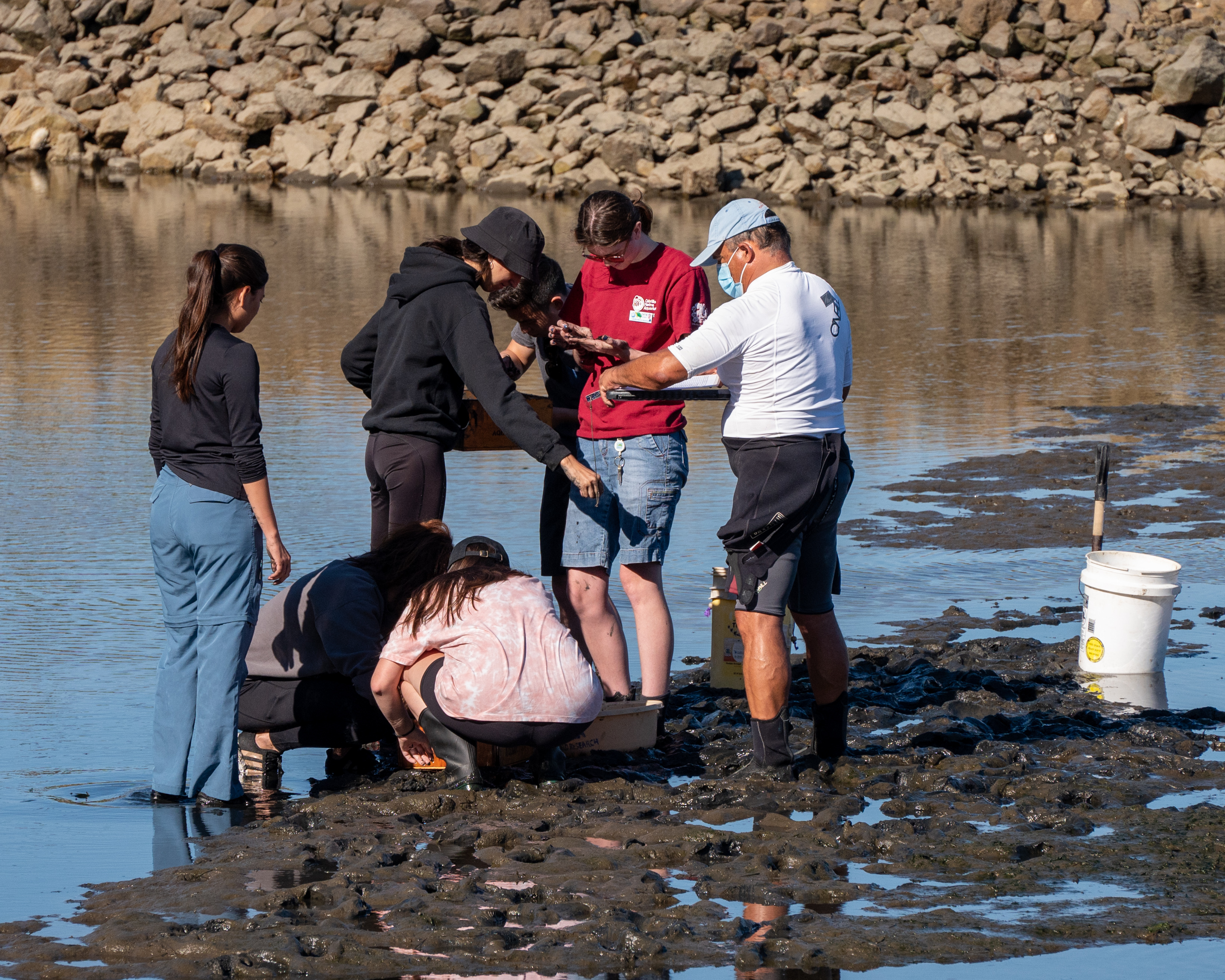
No experience is necessary – you'll get wet, sandy and fishy – but, you'll have fun and learn a lot!